Cold Exposure Therapy: How Low Temperatures Activate Brown Fat and Longevity Genes
The first time I submerged myself in 50°F water, my body screamed in protest. Every instinct demanded retreat. But three minutes later, something unexpected happened—a subtle warmth spread through my chest, my breathing steadied, and I felt... energized. That wasn't just adrenaline. It was biology's ancient survival machinery kicking into gear, activating dormant systems that might hold keys to longevity.
The Hidden Furnace Within
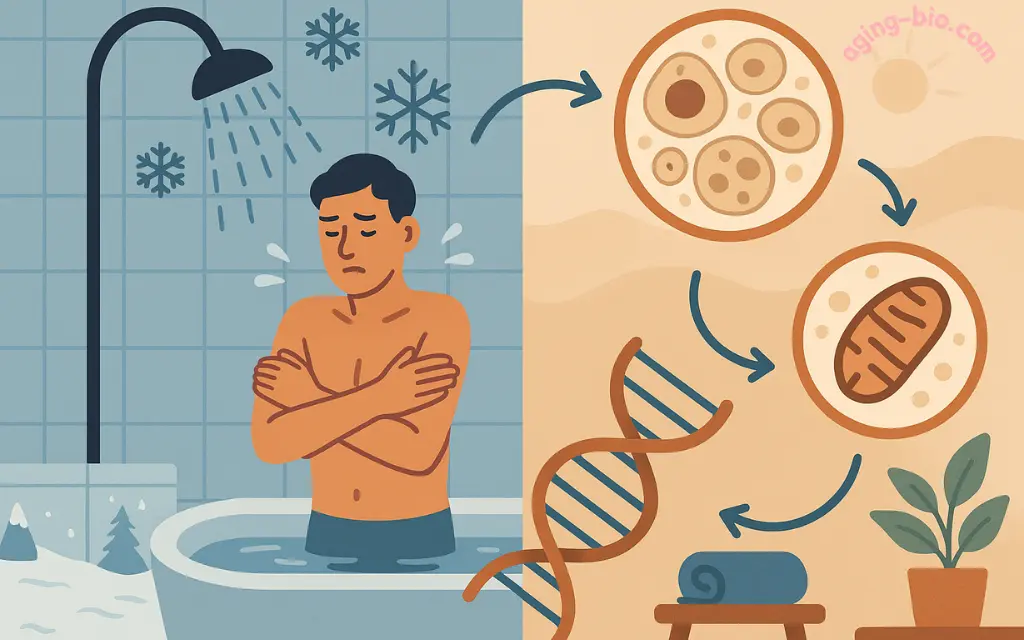
Most people think of fat as simple storage tissue—passive and problematic. But hidden within us lies a remarkable exception: brown adipose tissue, or brown fat, a metabolically active powerhouse that functions more like muscle than fat. Unlike white fat that stores energy, brown fat burns it, generating heat through a process called non-shivering thermogenesis.
The magic happens through specialized cellular machinery. Brown fat cells are packed with mitochondria containing a unique protein called UCP1 (uncoupling protein 1). These microscopic engines don't just produce energy—they deliberately waste it as heat. When activated by cold exposure, UCP1 uncouples the normal energy production process, converting cellular fuel into thermal energy through a process called proton leak.
Molecular Symphony of Cold Response
Cold exposure triggers a cascade of molecular events that reads like a longevity playbook. The process begins when temperature sensors in your skin detect cold, sending signals through the nervous system that activate brown fat cells. But the real transformation happens at the genetic level.
PGC-1α Activation: Cold exposure dramatically increases PGC-1α (peroxisome proliferator-activated receptor gamma coactivator 1-alpha), often called the master regulator of mitochondrial biogenesis. This protein orchestrates the creation of new mitochondria, effectively upgrading your cellular power plants.
SIRT3 Enhancement: The sirtuin family of longevity genes, particularly SIRT3, becomes highly active during cold exposure. SIRT3 fine-tunes mitochondrial function, reduces oxidative damage, and improves cellular energy efficiency—all hallmarks of healthy aging.
AMPK Pathway: Cold stress activates AMP-activated protein kinase (AMPK), a cellular energy sensor that triggers protective responses similar to those seen with caloric restriction. This pathway enhances glucose uptake, improves insulin sensitivity, and stimulates cellular cleanup processes.
The Brown Fat Advantage
Research suggests that individuals with more active brown fat may show certain metabolic advantages, including potentially healthier body weight maintenance, improved glucose control, and reduced inflammatory markers, though these associations don't prove causation and individual responses vary significantly. But brown fat's benefits extend beyond metabolism.
Metabolic Hormone Response: Brown fat activation increases levels of circulating irisin, a hormone that can promote conversion of white fat into beige fat—potentially creating more metabolically active tissue. Some research suggests irisin may also influence brain-derived neurotrophic factor (BDNF), which supports cognitive health.
Improved Cellular Cleanup: The thermogenic process activates autophagy, your cells' internal recycling system. This cellular housekeeping removes damaged proteins and organelles, a process that slows dramatically with age but can be reinvigorated through cold exposure.
Reduced Oxidative Stress: Paradoxically, while brown fat generates heat through deliberate mitochondrial inefficiency, the overall effect reduces systemic oxidative stress. The controlled stress response strengthens cellular antioxidant systems, making cells more resilient to future challenges.
Cold Shock Proteins: The Cellular Guardians
When cells experience cold stress, they produce specialized protective proteins called cold shock proteins (CSPs). These molecular guardians prevent protein misfolding, protect RNA from degradation, and maintain cellular integrity during temperature fluctuations.
RBM3 (RNA-binding motif protein 3): This cold shock protein increases during cold exposure and has been studied for potential neuroprotective effects. Research in animal models suggests RBM3 may help maintain synaptic connections in the brain, though human studies are limited.
CIRP (cold-inducible RNA-binding protein): Another protective protein that shields cells from stress-induced damage. CIRP also modulates inflammatory responses, helping maintain immune system balance as we age.
Stress Hormones: The Double-Edged Sword
Cold exposure triggers a controlled stress response involving norepinephrine and cortisol. While chronic stress accelerates aging, the acute stress from brief cold exposure follows a different pattern—activating protective pathways without causing harmful inflammation.
Norepinephrine Surge: Cold exposure significantly increases norepinephrine release from sympathetic nerves, activating brown fat and triggering the release of beneficial hormones like adiponectin, which improves insulin sensitivity and reduces inflammation.
Cortisol Modulation: Unlike chronic stress, brief cold exposure creates a controlled cortisol response that actually enhances cellular resilience. The key is duration—keeping exposures short enough to trigger adaptation without overwhelming the system.
Practical Cold Exposure Protocols
Some people find cold exposure appealing due to its simplicity and scalability. However, benefits vary significantly between individuals, and there's no guarantee of specific outcomes.
Progressive Adaptation: Start with 30-second cold showers, gradually extending to 2-3 minutes over several weeks. The goal isn't suffering—it's controlled adaptation.
Temperature Guidelines: Studies indicate water temperatures between 50-59°F (10-15°C) can effectively activate brown fat while remaining within safe ranges for most healthy adults. Individual tolerance varies significantly based on adaptation level and health status.
Timing Strategy: Morning cold exposure appears most effective for metabolic benefits, while evening sessions might interfere with sleep. Aim for sessions lasting 2-5 minutes, 3-4 times per week.
Environmental Integration: Beyond water immersion, consider temperature-controlled environments. Keep your bedroom slightly cooler (65-68°F), spend time in cool outdoor environments, or use temperature-controlled clothing during exercise.
Safety Considerations and Contraindications
Cold exposure isn't for everyone. Individuals with cardiovascular conditions, Raynaud's syndrome, or certain medications should consult healthcare providers before beginning cold therapy.
Gradual Introduction: Always start slowly. Your cardiovascular system needs time to adapt to the stress of cold exposure. Monitor your response and adjust accordingly.
Listen to Your Body: Shivering is normal and beneficial, but severe discomfort or numbness signals time to stop. The goal is controlled stress, not suffering.
Medical Clearance: Those with heart conditions, blood pressure issues, or circulation problems should seek medical guidance before attempting cold exposure protocols.
Important Disclaimer
This article is for educational and informational purposes only and does not constitute medical advice. Cold exposure therapy may not be suitable for everyone, particularly individuals with cardiovascular conditions, circulatory disorders, or other health concerns. Always consult with a qualified healthcare provider before beginning any new health practice or protocol. The information presented here is based on current scientific understanding, which continues to evolve. Individual results may vary significantly, and what works for one person may not be appropriate for another.
The Future of Cold Therapy
Emerging research suggests cold exposure might work synergistically with other longevity interventions. Combining cold therapy with time-restricted eating, exercise, or specific supplements could amplify benefits.
Personalized Protocols: Future approaches might use genetic testing to determine optimal cold exposure parameters based on individual brown fat capacity and metabolic responses.
Technology Integration: Wearable devices that monitor brown fat activation in real-time could help optimize protocols for maximum benefit with minimal stress.
Beyond the Physical
The most surprising aspect of cold exposure might be its psychological benefits. Regular practitioners report improved stress resilience, enhanced mood, and increased mental clarity. This isn't just placebo—the controlled stress of cold exposure appears to strengthen psychological resilience pathways similar to how physical exercise builds muscle.
The transformation from cold avoider to cold enthusiast often mirrors broader life changes. The same discipline that allows someone to embrace 50°F water often translates to better stress management, improved sleep habits, and more consistent exercise routines.
Your Cold Journey Starts Now
You don't need to become a polar bear plunging enthusiast to benefit from cold exposure. Start with your next shower—30 seconds of cold water at the end. Notice how your body responds, how your breathing changes, how you feel afterward. This simple practice might be your first step toward activating ancient survival systems designed to keep you healthy and resilient.
Current research suggests cold exposure therapy may offer a pathway to activate brown fat and influence longevity-related pathways, though much remains to be understood about individual variations and long-term effects. While the science continues to evolve, this practice represents one of many potential tools in the broader context of healthy aging strategies.
For those interested in exploring this approach, the key is informed, gradual experimentation with appropriate medical guidance when needed.
https://aging-bio.com/search_index.en.json$MATCHES more matches