Environmental Toxins and Accelerated Aging: Your Science-Backed Protection Strategy for a Polluted World
The morning commute feels routine until you consider what's actually happening. As you sit in traffic, microscopic particles smaller than red blood cells slip past your defenses. They're not just passing through—they're triggering cascades of cellular damage that scientists now recognize as a primary driver of accelerated aging.
This isn't dystopian fiction. Recent research reveals that environmental toxins have become the silent accelerators of human aging, operating through mechanisms far more sophisticated than we previously understood.
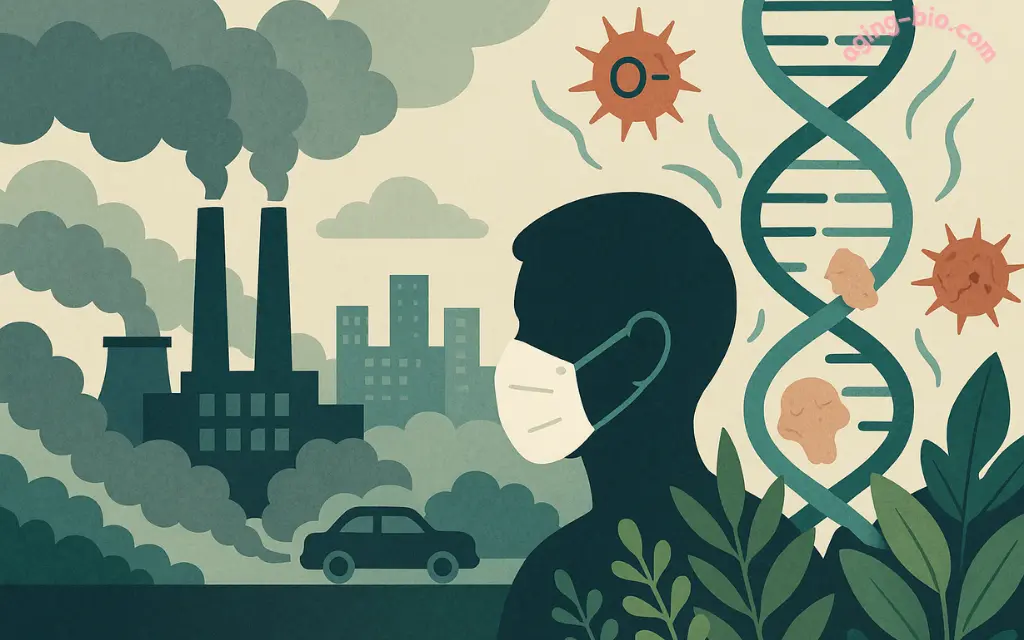
The Invisible Assault: How Toxins Rewrite Your Cellular Timeline
Your cells maintain elaborate defense systems against oxidative damage, but environmental toxins overwhelm these mechanisms through multiple pathways simultaneously. Research from multiple studies shows that pollutants don't just damage cells—they fundamentally alter how cells age.
Particulate matter (PM2.5), the microscopic particles floating in urban air, penetrates deep into lung tissue where it generates reactive oxygen species (ROS) that attack cellular membranes, proteins, and DNA. Studies demonstrate that chronic exposure to PM2.5 correlates with shortened telomeres—the protective caps on chromosomes that serve as biological aging clocks—through increased oxidative stress and inflammation pathways.
Heavy metals like cadmium, lead, and mercury create additional layers of damage. These metals accumulate in tissues over decades, disrupting mitochondrial function and triggering cellular senescence—the state where cells stop dividing but remain metabolically active, secreting inflammatory compounds that accelerate aging in surrounding tissues.
The Skin: Your First Line of Defense Under Siege
Your skin tells the story most visibly. Research on environmental pollution and skin aging reveals that urban dwellers show signs of premature aging that correlate directly with their exposure to nitrogen dioxide, sulfur dioxide, and ozone. These pollutants don't just sit on the surface—they penetrate through the skin barrier, generating ROS that break down collagen and elastin.
The mechanism is brutally efficient: pollutants trigger matrix metalloproteinases (MMPs) that chew through the structural proteins keeping skin firm and elastic. Simultaneously, they inhibit collagen synthesis, creating a double hit that manifests as wrinkles, sagging, and uneven pigmentation years before chronological aging would predict.
What's particularly concerning is that this damage occurs even when you can't see or feel pollution. Indoor air can contain higher concentrations of certain toxins than outdoor air, especially in energy-efficient buildings with poor ventilation.
Cellular Senescence: When Your Cells Start Working Against You
Environmental toxins don't just damage cells—they push them into a state called senescence, where cells essentially retire but refuse to die. These senescent cells become toxic neighbors, secreting inflammatory molecules that damage surrounding healthy cells and recruit immune cells that create chronic, low-grade inflammation.
This process, termed "inflammaging" by researchers, represents one of the most significant ways environmental toxins accelerate aging throughout the body. Senescent cells accumulate in skin, blood vessels, brain tissue, and organs, creating a pro-inflammatory environment that promotes age-related diseases.
Studies show that people living in highly polluted areas have significantly higher markers of cellular senescence compared to those in cleaner environments, even when controlling for diet, exercise, and other lifestyle factors.
The Mitochondrial Connection: Energy Factories Under Attack
Your mitochondria—the cellular power plants that generate energy—are particularly vulnerable to environmental toxins. Heavy metals and organic pollutants disrupt mitochondrial membranes, leading to decreased energy production and increased ROS generation.
This creates a vicious cycle: damaged mitochondria produce more free radicals, which damage more mitochondria, accelerating cellular aging. Research indicates that mitochondrial dysfunction from environmental toxins contributes to age-related decline in energy levels, cognitive function, and tissue repair capacity through disrupted ATP production and increased reactive oxygen species generation.
Building Your Defense: Evidence-Based Protection Strategies
The good news is that understanding these mechanisms provides clear pathways for protection. Research identifies several evidence-based approaches to minimize toxin-induced aging:
Air Quality Optimization: HEPA filtration systems can reduce indoor particle concentrations by 50-70%. Plants like peace lilies and snake plants provide additional air purification, though they shouldn't replace mechanical filtration.
Antioxidant Amplification: Environmental toxins deplete cellular antioxidants, but strategic supplementation can restore defenses. Studies show that combinations of vitamin C, vitamin E, and selenium provide synergistic protection against pollution-induced oxidative damage, with selenium specifically supporting glutathione peroxidase activity and vitamin C regenerating vitamin E in cellular membranes.
Skin Barrier Reinforcement: Topical antioxidants applied before outdoor exposure can neutralize ROS before they damage skin cells. Niacinamide (2-5%) has been shown to improve skin barrier function while reducing pollution-induced inflammation.
Cellular Cleanup Enhancement: Research on cellular autophagy—the process of clearing damaged cellular components—suggests that intermittent fasting and certain polyphenols (like resveratrol and curcumin) can accelerate removal of toxin-damaged cellular structures.
Heavy Metal Chelation: Natural chelators like chlorella, cilantro, and modified citrus pectin may help bind and facilitate excretion of accumulated heavy metals. While some studies suggest these approaches might reduce body burden of metals, evidence remains limited and individual responses vary significantly.
The Urban Paradox: Living Better in a Polluted World
Living in urban environments doesn't mean accepting accelerated aging as inevitable. Research on populations in highly polluted cities reveals significant individual variation in how people respond to environmental toxins, suggesting genetic and lifestyle factors that can be optimized.
People with higher baseline antioxidant status, better detoxification capacity, and stronger cellular repair mechanisms show dramatically reduced signs of pollution-induced aging. This indicates that targeted interventions can provide meaningful protection even in challenging environments.
Practical Implementation: Your Daily Defense Protocol
Morning: Apply antioxidant serum (vitamin C + ferulic acid) before sunscreen. Check air quality index and adjust outdoor activity accordingly.
Throughout the Day: Use HEPA filtration at home and work. Take regular breaks in areas with cleaner air when outdoor pollution levels are elevated.
Evening: Support detoxification with cruciferous vegetables and adequate hydration. Consider intermittent fasting 2-3 days per week to enhance cellular cleanup.
Weekly: Deep clean living spaces to reduce accumulated household toxins. Include sauna sessions if available to support elimination through sweating.
The Long Game: Measuring and Monitoring
Understanding your personal toxin burden requires more sophisticated approaches than typical medical testing. Advanced markers like 8-hydroxy-2'-deoxyguanosine (8-OHdG) can potentially indicate DNA damage from oxidative stress, though these tests are primarily used in research settings and their clinical interpretation remains complex.
These tests aren't yet routine, but they're becoming more accessible through specialized laboratories. Tracking these markers over time can help you assess whether your protection strategies are working.
Moving Forward: Beyond Individual Action
While individual protection strategies matter, the broader solution requires systemic change. Supporting policies that reduce air pollution, choosing products with lower toxic burdens, and advocating for cleaner urban environments creates benefits that extend beyond personal health.
The research is clear: environmental toxins accelerate aging through multiple interconnected pathways, but understanding these mechanisms provides powerful tools for protection. By combining environmental optimization with targeted nutritional and lifestyle interventions, you can significantly reduce your exposure to these invisible aging accelerators.
Your cells have remarkable capacity for repair and regeneration when given the right support. The question isn't whether environmental toxins affect you—it's how effectively you're helping your body defend against them.
This article is for informational purposes only and does not constitute medical advice. Environmental toxin exposure and individual responses vary significantly. Consult healthcare professionals for personalized guidance on detoxification strategies and environmental health concerns.
https://aging-bio.com/search_index.en.json$MATCHES more matches