Skin Aging Molecular Mechanisms: The Inside-Out Beauty Science That Changes Everything
Your reflection tells a story written in the language of molecules. Those fine lines around your eyes? They're not just surface changes—they're visible evidence of complex cellular conversations happening deep within your skin's layers. The science of skin aging reveals a fascinating narrative where collagen fibers break down, cellular clocks tick toward senescence, and oxidative stress silently rewires your skin's biological programming.
Understanding these molecular mechanisms transforms how we think about skincare. Instead of chasing surface-level fixes, we can address the fundamental biological processes that drive aging from within. The research from our knowledge base paints a detailed picture of how intrinsic and extrinsic factors converge at the cellular level to create the visible signs we associate with aging skin.
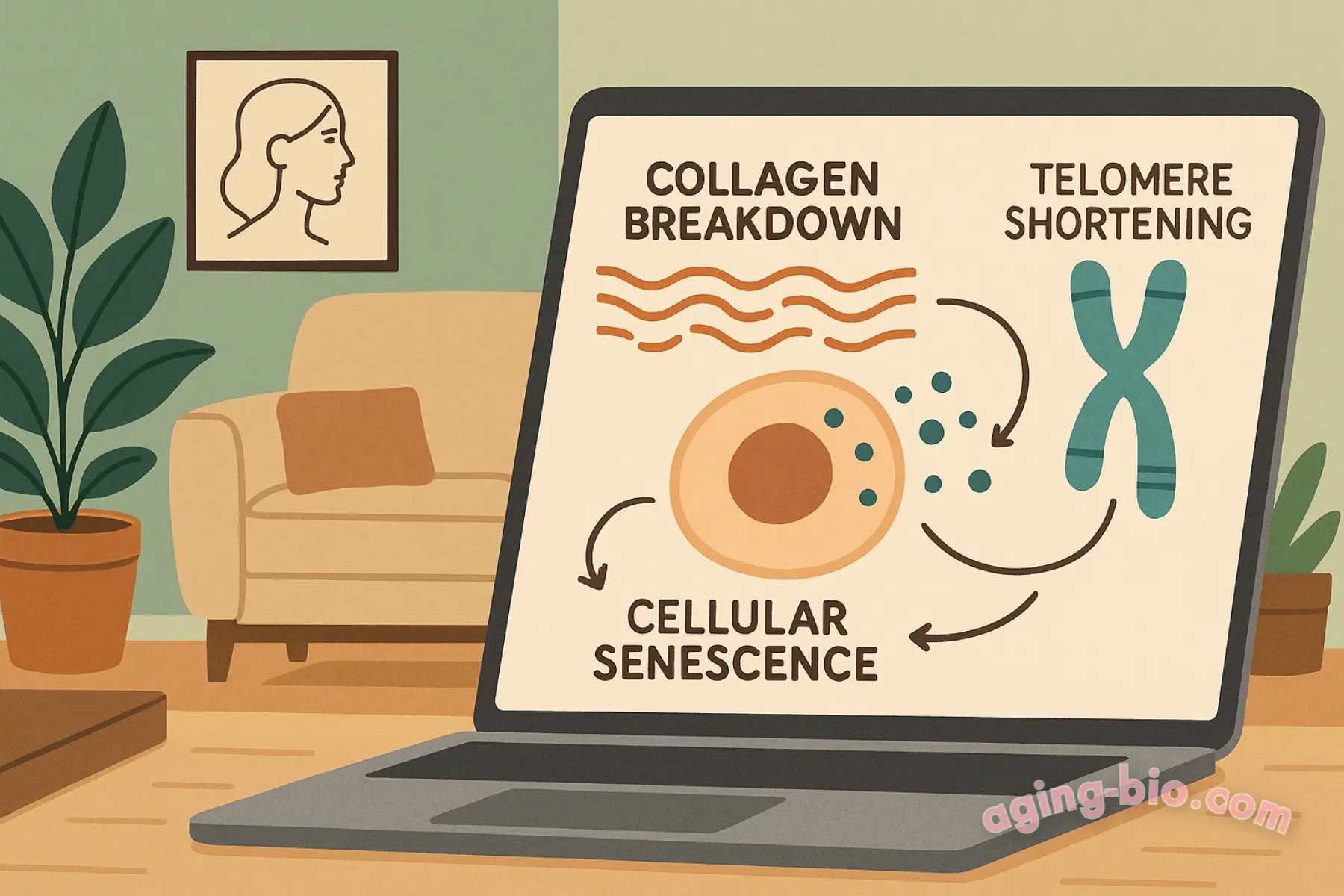
The Collagen Collapse: When Your Skin's Scaffolding Begins to Fail
Collagen isn't just a buzzword in beauty marketing—it's the primary structural protein that gives your skin its firmness and elasticity. But collagen exists in a constant state of creation and destruction, regulated by an elegant molecular balancing act that shifts with age.
Research reveals that matrix metalloproteinases (MMPs), particularly MMP-1, become increasingly active as we age. These enzymes function like molecular scissors, snipping collagen fibers into fragments that can no longer provide structural support. The process accelerates dramatically when ultraviolet radiation generates reactive oxygen species (ROS) in skin cells, triggering a cascade that upregulates MMP production while simultaneously suppressing new collagen synthesis.
The molecular mechanism works like this: UV exposure activates transcription factors AP-1 and NF-κB, which then bind to DNA sequences that control MMP gene expression. This leads to increased production of collagen-degrading enzymes while inhibiting the genes responsible for collagen production. The result is a double hit—accelerated breakdown combined with reduced replacement.
But collagen degradation represents just one chapter in skin aging's molecular story. The plot thickens when we examine what happens to the cells responsible for maintaining this structural foundation.
Cellular Senescence: When Skin Cells Enter Molecular Retirement
Every cell in your skin contains a biological clock, and when that clock runs down, cells enter a state called senescence. These cells don't die—they enter a kind of molecular retirement where they stop dividing but remain metabolically active, secreting a complex cocktail of inflammatory molecules known as the senescence-associated secretory phenotype (SASP).
Senescent fibroblasts, the cells responsible for producing collagen and other extracellular matrix components, become increasingly common in aged skin. Research shows these cells accumulate with chronological aging and are particularly prevalent in photo-exposed areas. The SASP factors they release include additional MMPs, creating a vicious cycle where senescent cells promote further collagen breakdown in neighboring healthy cells.
The molecular markers of cellular senescence tell a story of DNA damage, telomere shortening, and mitochondrial dysfunction. SA-β-gal (senescence-associated beta-galactosidase) activity increases in dermal fibroblasts and epidermal keratinocytes as skin ages, providing researchers with a measurable indicator of cellular aging that correlates with visible skin changes.
What makes cellular senescence particularly fascinating is its contagious nature. Senescent cells can induce senescence in neighboring healthy cells through paracrine signaling, creating expanding zones of dysfunctional tissue that manifest as thinning, fragile skin with impaired healing capacity.
Telomere Timekeepers: The Molecular Countdown Within Your Cells
At the ends of every chromosome lie telomeres—protective DNA sequences that function like the plastic tips on shoelaces, preventing chromosome ends from fraying. Each time a cell divides, telomeres shorten slightly, functioning as a molecular countdown timer that limits cellular lifespan.
Skin cells experience some of the highest telomere attrition rates in the body, partly due to their high turnover rate and constant exposure to environmental stressors. Research demonstrates that telomere shortening correlates with both chronological aging and photoaging, with sun-exposed skin showing accelerated telomere loss compared to protected areas.
The molecular consequences of telomere shortening extend beyond simple cell division limits. Critically short telomeres trigger DNA damage responses that can lead to cellular senescence or apoptosis. This creates a paradox where cells either enter the senescent state we discussed earlier or self-destruct, both outcomes contributing to the loss of functional skin cells that characterizes aging tissue.
Some individuals inherit variations in telomerase, the enzyme that can extend telomeres, leading to differences in how quickly their skin ages at the cellular level. This genetic component helps explain why some people maintain youthful skin longer despite similar environmental exposures.
Oxidative Stress: The Molecular Saboteur
Your skin exists in a constant battle against oxidative stress, with reactive oxygen species generated both as byproducts of normal metabolism and from external sources like UV radiation and pollution. The molecular damage from oxidative stress reads like a catalog of cellular destruction: lipid peroxidation damages cell membranes, protein oxidation alters enzyme function, and DNA mutations accumulate over time.
The antioxidant defense system that protects against this damage becomes less efficient with age. Key antioxidant enzymes like superoxide dismutase, catalase, and glutathione peroxidase show reduced activity in aged skin, creating an imbalance where ROS production outpaces neutralization capacity.
Research reveals that oxidative stress doesn't just cause random damage—it specifically targets molecular pathways involved in skin structure and function. ROS activate the same transcription factors (AP-1 and NF-κB) that upregulate MMPs, creating a direct molecular link between oxidative stress and collagen degradation. Simultaneously, oxidative damage to mitochondrial DNA impairs cellular energy production, reducing the capacity for protein synthesis and cellular repair.
The molecular signature of oxidative stress in aging skin includes increased levels of malondialdehyde (a lipid peroxidation product), protein carbonyls (markers of protein oxidation), and 8-hydroxy-2'-deoxyguanosine (a DNA oxidation product). These biomarkers provide measurable evidence of the molecular damage accumulating beneath the surface of aging skin.
The Extracellular Matrix: Where Molecular Changes Become Visible
The extracellular matrix (ECM) serves as both the structural foundation of skin and the environment where skin cells live and function. This complex molecular network includes collagen fibers, elastin networks, and glycosaminoglycans like hyaluronic acid, all working together to provide strength, elasticity, and hydration.
Aging transforms the ECM through multiple molecular mechanisms working in concert. Collagen fibers become increasingly cross-linked and disorganized, losing their ability to provide tensile strength. Elastin networks fragment and calcify, reducing skin's ability to snap back after stretching. Hyaluronic acid levels decline, diminishing the skin's capacity to retain moisture.
The molecular changes in ECM composition reflect the cellular processes we've explored. Senescent fibroblasts produce altered ratios of ECM components, favoring degradation over synthesis. Oxidative stress damages existing ECM proteins while inhibiting their replacement. Telomere shortening reduces the proliferative capacity of fibroblasts, limiting their ability to maintain ECM homeostasis.
These molecular alterations in the ECM create the visible manifestations of skin aging: thinning, loss of elasticity, wrinkle formation, and impaired barrier function. The ECM essentially functions as a molecular mirror, reflecting the cellular aging processes occurring within skin tissue.
Intrinsic vs. Extrinsic Aging: Two Paths to Molecular Decline
Skin aging occurs through two distinct but interconnected processes. Intrinsic aging represents the natural molecular changes that occur with time, while extrinsic aging results from environmental exposures that accelerate molecular damage. Understanding this distinction helps explain why some people age more rapidly than others and why sun-exposed areas show more pronounced aging.
Intrinsic aging follows a predictable molecular timeline. Telomeres shorten at a relatively constant rate, cellular senescence accumulates gradually, and antioxidant defenses decline predictably. This process creates the fine wrinkles, thin skin, and subtle texture changes characteristic of chronological aging.
Extrinsic aging, primarily driven by UV exposure, accelerates these molecular processes dramatically. UV radiation generates ROS that overwhelm antioxidant defenses, triggers DNA damage responses that accelerate cellular senescence, and activates transcription factors that upregulate MMPs. Photoaged skin shows dramatically higher levels of molecular damage markers, explaining why it appears years older than chronologically matched protected skin.
The molecular signature of photoaging includes increased expression of MMPs, accumulation of senescent cells, accelerated telomere shortening, and extensive oxidative damage to DNA, proteins, and lipids. These changes occur decades earlier than similar changes in protected skin, demonstrating how environmental factors can accelerate the molecular aging timeline.
The Science of Intervention: Molecular Targets for Skin Health
Understanding skin aging at the molecular level reveals multiple intervention points where scientific approaches might slow or reverse aging processes. Research identifies several promising molecular targets that could form the basis of future anti-aging strategies.
Senolytic compounds that selectively eliminate senescent cells show promise for reducing the SASP-driven inflammation that accelerates skin aging. These interventions target the molecular pathways that keep senescent cells alive, allowing natural clearance mechanisms to remove them and potentially rejuvenate tissue function.
Antioxidant strategies that enhance the skin's natural defense systems could help restore the oxidative balance that becomes disrupted with age. This includes both direct antioxidant compounds and interventions that upregulate the expression of endogenous antioxidant enzymes through activation of pathways like Nrf2.
Telomerase activation represents another potential intervention point, though this approach requires careful balance since excessive telomerase activity could increase cancer risk. More nuanced approaches might focus on protecting existing telomeres from damage rather than extending them indefinitely.
Matrix metalloproteinase inhibition could help preserve existing collagen while allowing natural synthesis processes to restore ECM integrity. Several natural compounds show MMP-inhibiting properties, suggesting that dietary or topical interventions might help maintain skin structure.
Looking Forward: The Molecular Future of Skin Health
The molecular mechanisms underlying skin aging reveal a complex biological process that extends far deeper than surface-level cosmetic concerns. These cellular and molecular changes represent fundamental aspects of biological aging that connect skin health to overall health and longevity.
As research continues to unravel these molecular pathways, we're gaining insights that could revolutionize how we approach skin health. Rather than simply treating visible symptoms, future interventions might target the molecular processes that drive aging from within, potentially offering more effective and lasting approaches to maintaining youthful, healthy skin.
The beauty of this molecular perspective lies in its scientific rigor. Instead of relying on marketing claims or anecdotal evidence, we can now understand exactly what's happening within our skin at the cellular level and make informed decisions about interventions that address these fundamental processes.
Your skin's molecular story continues to unfold every day, written in the language of proteins, enzymes, and cellular signaling pathways. Understanding this narrative empowers you to make choices that support your skin's molecular health, working with your body's natural processes rather than against them.
This article is for educational and informational purposes only and presents scientific research on skin aging molecular mechanisms. It is not intended to provide medical advice, diagnosis, or treatment recommendations. The content is based on peer-reviewed scientific literature and is intended to share knowledge about biological processes, not to promote any specific products, treatments, or interventions. Individual results may vary significantly. Anyone concerned about skin aging or considering any interventions should consult with qualified dermatologists or other licensed healthcare professionals for personalized medical advice. This information should not be used as a substitute for professional medical consultation.
https://aging-bio.com/search_index.en.json$MATCHES more matches