Estrogen Changes: How Hormonal Shifts Affect Women's Health During Menopause
Sarah, a 52-year-old marketing executive, noticed changes in her body after entering menopause. Her skin appeared different, her body composition shifted despite maintaining her usual diet and exercise routine, and her doctor noted some changes in her cardiovascular markers. "I noticed my body was changing in ways I didn't expect," she shared with her physician. What Sarah experienced reflects common experiences many women have during this transition.
The hormone that had contributed to her physiological balance for decades was now declining, influencing various aspects of her health. Understanding these changes helps explain why women experience different physiological transitions after menopause and how hormonal shifts can affect multiple body systems.
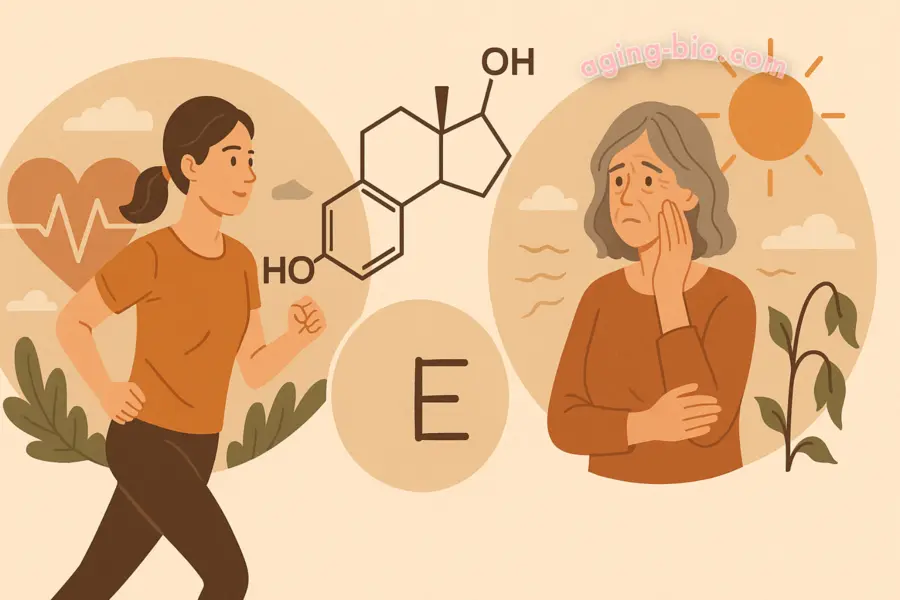
The Protective Shield: Estrogen's Youthful Benefits
During reproductive years, estrogen contributes to various physiological functions. Research indicates that premenopausal women may have different cardiovascular disease rates compared to men of the same age, possibly related to estrogen's effects on blood vessels and heart tissue.
Estrogen appears to work through multiple pathways. It influences the production of nitric oxide, a molecule involved in blood vessel function and blood pressure regulation. The hormone may also affect inflammation within arterial walls and appears to play a role in insulin sensitivity, which can influence blood sugar regulation.
Beyond cardiovascular effects, estrogen is associated with skin thickness and collagen production, which may change after menopause. It also appears to influence bone density, cognitive function, and mood regulation. These varied effects highlight estrogen's complex role in women's physiology during reproductive years.
The Timing Consideration: When Research Findings Vary
The Women's Health Initiative study delivered shocking results that transformed how medical professionals view hormone replacement therapy. Researchers discovered that estrogen supplementation could actually increase cardiovascular risks when started in older women, particularly those over 60 who were many years past menopause.
This finding highlighted important considerations about estrogen therapy. Research suggests that the effects of hormone therapy may vary depending on factors such as timing of initiation, existing health status, and individual risk factors. Understanding these variables helps explain why study results may differ across different populations.
The timing hypothesis suggests that HRT may provide different benefits and risks depending on when it's initiated. Research indicates that women who begin HRT closer to menopause onset may experience different cardiovascular outcomes compared to those who start later. However, individual responses vary considerably, and the decision to use HRT requires careful medical evaluation of personal risk factors and potential benefits.
Metabolic Metamorphosis: The Body Composition Shift
The transition through menopause brings dramatic changes in body composition that many women find distressing. Research indicates that postmenopausal women typically gain abdominal fat while losing lean muscle mass, even when maintaining the same caloric intake and exercise levels.
Research indicates that estrogen plays a role in fat distribution patterns. When estrogen levels decline during menopause, some women experience changes in where their bodies store fat. Studies suggest that menopause is associated with increased central adiposity and changes in body composition, which may affect metabolic health. However, individual responses vary considerably, and not all women experience the same patterns of change.
The relationship between estrogen and body composition reveals another layer of complexity. Research indicates that menopause is associated with changes in body composition, including potential increases in total adiposity and decreases in lean body mass in some women. However, individual responses vary considerably, and factors such as genetics, lifestyle, and overall health status play important roles in determining these changes.
Skin Deep: The Visible Effects of Hormonal Decline
The skin serves as a visible indicator of hormonal changes. During reproductive years, estrogen influences collagen production, skin thickness, and moisture retention. These effects contribute to skin characteristics commonly associated with youth.
After menopause, declining estrogen levels lead to changes in skin structure. Research indicates that estrogen deficiency affects skin fibroblasts and collagen production, contributing to thinning skin, reduced elasticity, and impaired barrier function. Studies suggest that menopause accelerates skin aging through multiple mechanisms, including changes in extracellular matrix components. These changes help explain why many women notice their skin becoming noticeably different during this life transition.
Individual responses to these changes vary considerably, influenced by factors such as genetics, sun exposure history, and lifestyle choices. Some women experience relatively mild changes, while others notice more significant differences in their skin's appearance and texture.
Cognitive Considerations: The Brain-Hormone Connection
Research on estrogen and brain function reveals complex relationships. During reproductive years, estrogen appears to influence cognitive function through effects on neural connectivity and neuroplasticity. Some women report changes in mental clarity during different phases of their menstrual cycle, though individual experiences vary considerably.
Studies examining cognitive changes during menopause show varied patterns. Some women experience temporary cognitive difficulties during the transition period, often described as "brain fog" or difficulty concentrating. However, research findings on long-term cognitive outcomes differ across studies, with factors such as education level, physical activity, overall health, and individual biological differences playing important roles.
Research on hormone replacement therapy and cognitive function shows mixed results. Some studies suggest potential relationships between hormone therapy and cognitive outcomes, while others show no significant effects. The complexity of this research highlights the importance of individualized medical decisions based on personal health profiles and risk factors.
Navigating the Transition: Individualized Approaches
Understanding estrogen's effects involves recognizing the complexity of hormonal changes and individual responses. Each woman's experience with menopausal transitions varies, influenced by genetics, lifestyle, overall health status, and personal circumstances. Research continues to evolve in understanding these relationships.
For women considering hormone replacement therapy, research suggests that individual risk factors, timing, and personal health history all play important roles in determining potential benefits and risks. The decision requires careful medical evaluation and consideration of personal circumstances, as responses to therapy can vary significantly between individuals.
Lifestyle factors play equally important roles in managing the transition. Regular physical exercise helps maintain bone density, supports cardiovascular health, and can improve mood and cognitive function. A balanced diet rich in calcium and vitamin D supports bone health, while adequate protein intake helps preserve muscle mass. Stress management techniques and quality sleep also contribute to overall well-being during this transition.
The Future of Hormonal Health
Research continues to uncover new aspects of estrogen's effects on women's health. Scientists are developing more targeted approaches to hormone therapy. These include selective estrogen receptor modulators (SERMs) that can activate estrogen receptors in specific tissues while blocking them in others.
Personalized medicine approaches are also emerging, with researchers working to identify factors that might predict which women are most likely to benefit from hormone therapy versus those who might experience adverse effects. This approach could eventually allow healthcare providers to tailor treatment recommendations based on individual assessments.
Research into estrogen's role in women's health continues to evolve, revealing the complexity of hormonal influences on aging. While declining estrogen levels after menopause are associated with various physiological changes, understanding these relationships helps inform healthcare decisions and promotes better awareness of this natural life transition.
Disclaimer: This article is for informational purposes only and does not constitute medical advice. The content is based on current scientific research but should not replace consultation with qualified healthcare providers. Individual health decisions should be made in partnership with medical professionals who can assess personal risk factors and provide tailored recommendations. Hormone replacement therapy and other medical interventions carry both benefits and risks that must be carefully evaluated on an individual basis.
https://aging-bio.com/search_index.en.json$MATCHES more matches